
How Museums Shape the Relationship Between Art and Collectors
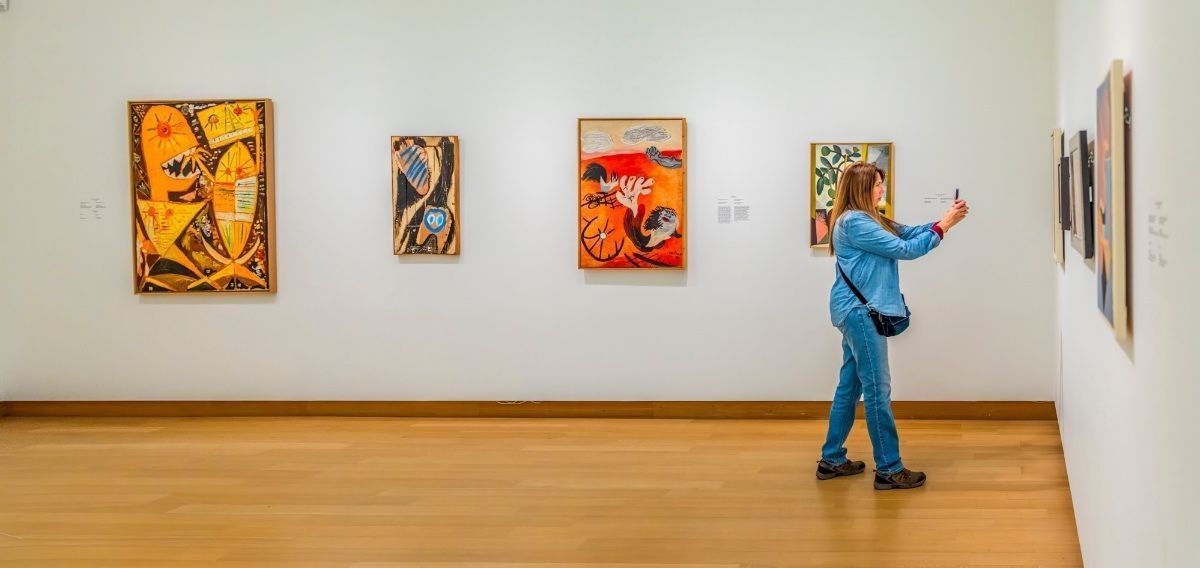
That connection may last only a few moments or it may endure for generations, but without someone willing to stop, look, and reflect, the conversation never really begins. The relationship between an artist and a collector rarely begins in a studio, quite often, it begins in a gallery.
Museums and galleries have always understood that. Their role extends well beyond preserving and displaying works of art. They create the environment where that conversation can happen. While the artwork captures our attention, the gallery shapes the experience around it. Architecture, lighting, scale, sequence, and even the distance between one art work and the next all influence how we experience what the artist created.
For more than thirty years we’ve made a point of visiting museums and galleries wherever our travels have taken us. As gallery owners ourselves, we’ve always appreciated the thought that goes into presenting great works of art. This trip, however, had a different purpose.
As we continue expanding The Frame Gallery beyond our showroom, we wanted to better understand how traditional museums create lasting relationships between art and those who experience it and how those same principles might apply beyond a physical gallery.
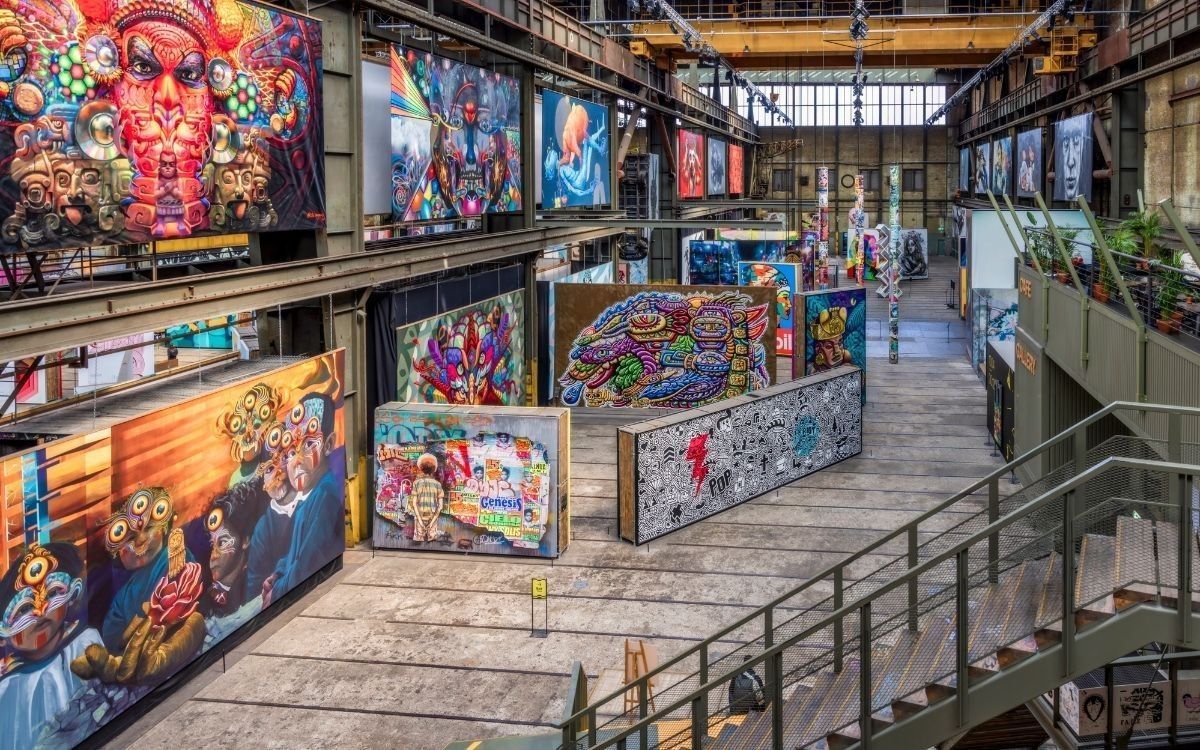
A converted shipbuilding factory gives contemporary street art an industrial scale that feels inseparable from the artwork itself.
We were looking for principles that transcend architecture, budgets, and square footage. That objective changed what we photographed. Instead of concentrating on the artwork alone, we began documenting the spaces, the light, the transitions between rooms, and the countless decisions that shape the way visitors experience the art.
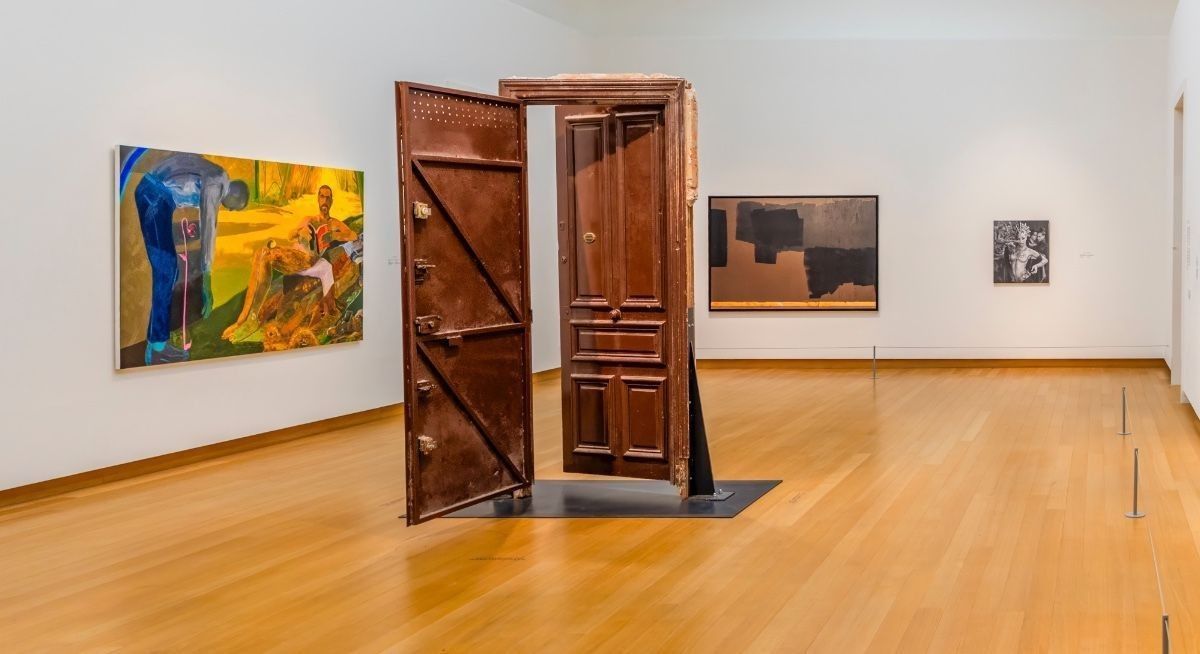
Large
expanses
of
negative
space
isolate
individual
works,
demonstrating
that
sometimes
what
surrounds
the
artwork
is
as
important
as
the
artwork
itself.
Looking back through these photographs, one thing became increasingly apparent. Every institution approached the relationship between art and its audience differently, yet each had devoted extraordinary thought to creating an environment that complemented the work without competing with it.
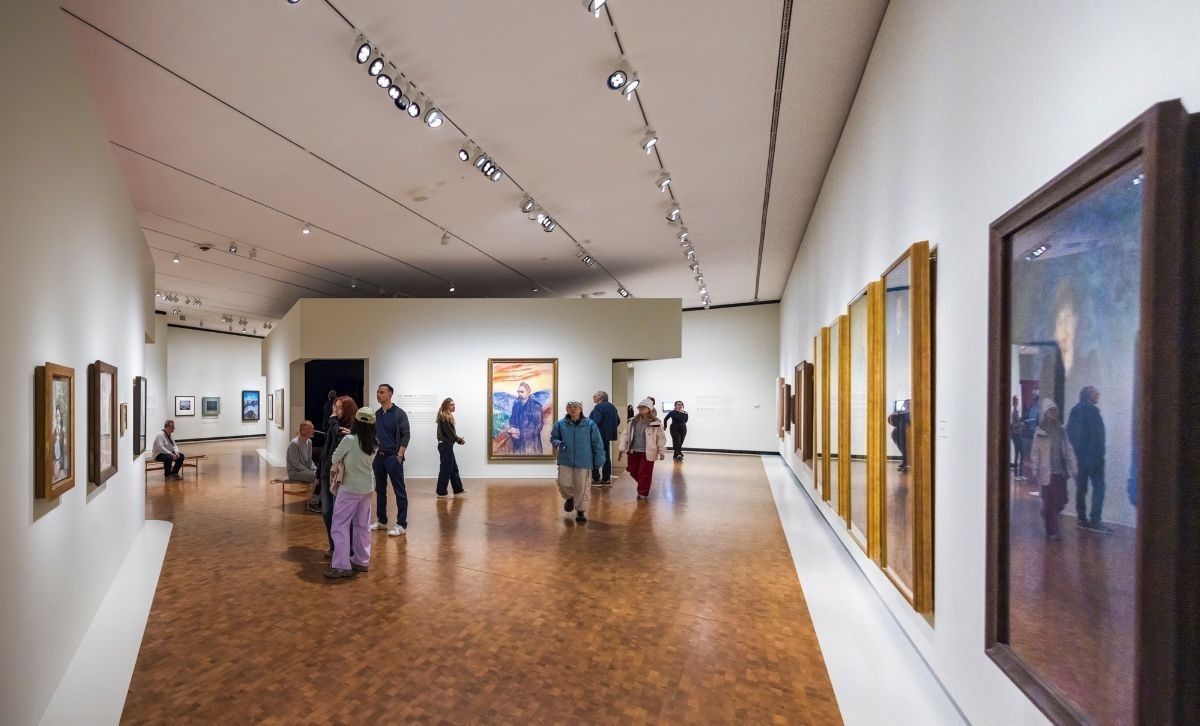
A
room
constructed
within
another
room
quietly
creates
anticipation,
reminding
us
that
the
experience
of
seeing
art
often
begins
before
the
artwork
is
visible.
Their collections may differ dramatically, but their purpose is remarkably consistent: to strengthen the relationship between the artist and the viewer.
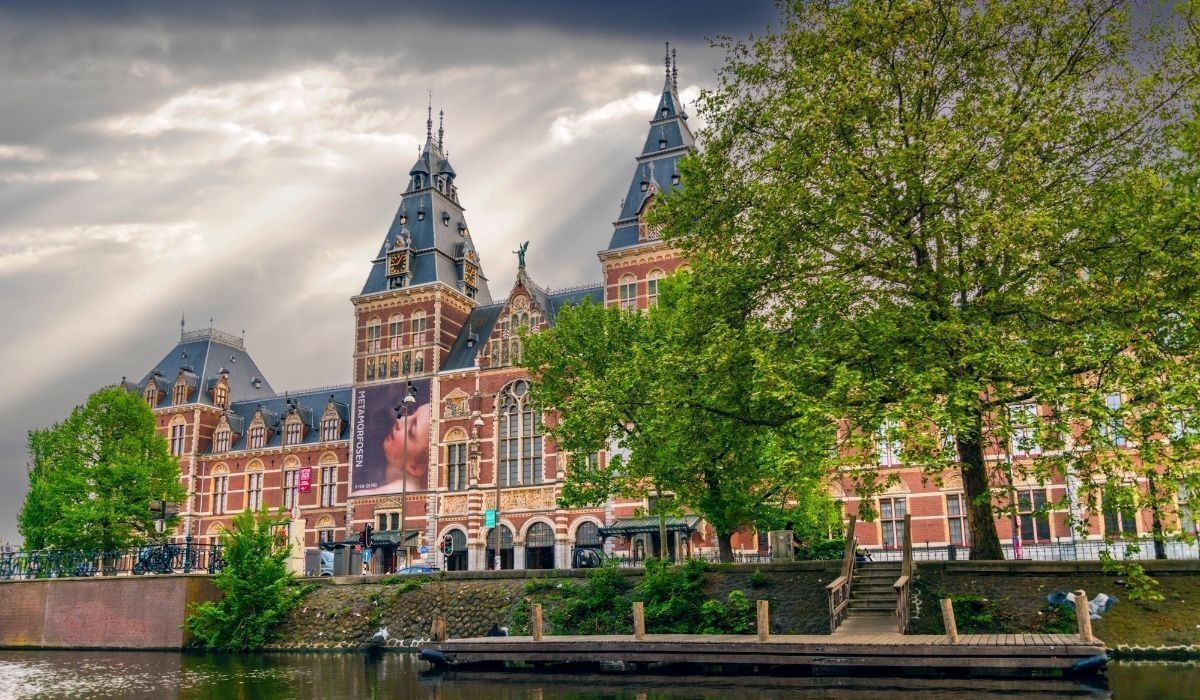
In Amsterdam we found ourselves paying particular attention to the smaller galleries tucked between Amsterdam's major museums. Within a fifteen-minute walk of the Rijksmuseum and the Van Gogh Museum, these neighborhood galleries somehow attract visitors despite competing with two of the world's most celebrated collections. They don't try to imitate the museums. Instead, each has developed its own identity, its own way of presenting art, and its own relationship with the people who walk through the door. That observation stayed with us long after we left.
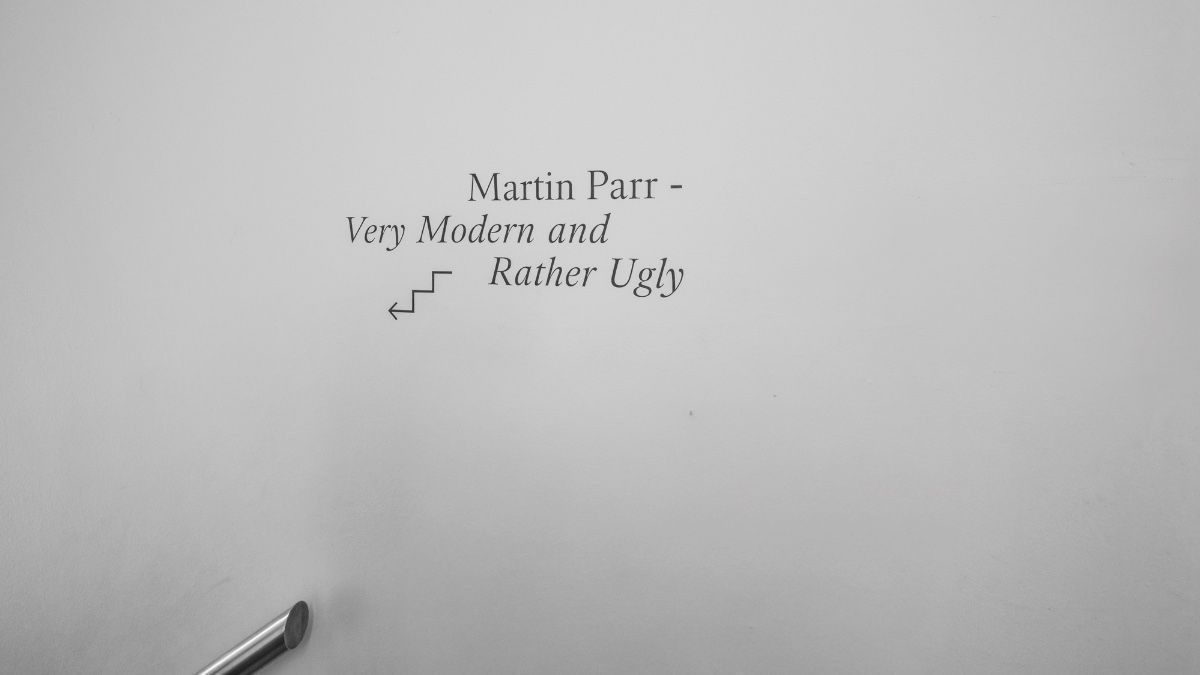
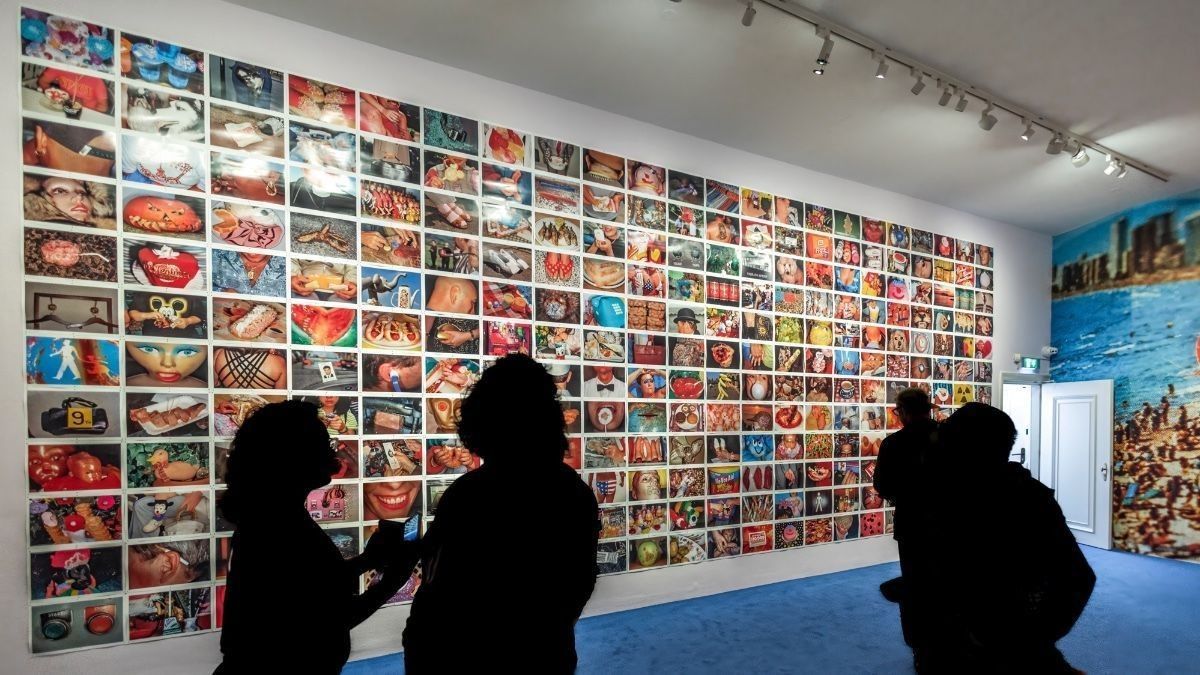
A photography museum reshapes its galleries for each exhibition, allowing the architecture to become part of every photographer's visual language.
This article is the beginning of a conversation we hope will continue over the coming weeks. Rather than reviewing museums or discussing individual artists, we'll explore the many ways galleries shape our experience with art. Some observations may seem obvious, others surprisingly subtle, but together they raise an interesting question for all of us who represent, collect, or simply love art: What makes one gallery feel different from another, and what can galleries of every size learn from those differences?