
Table of Context
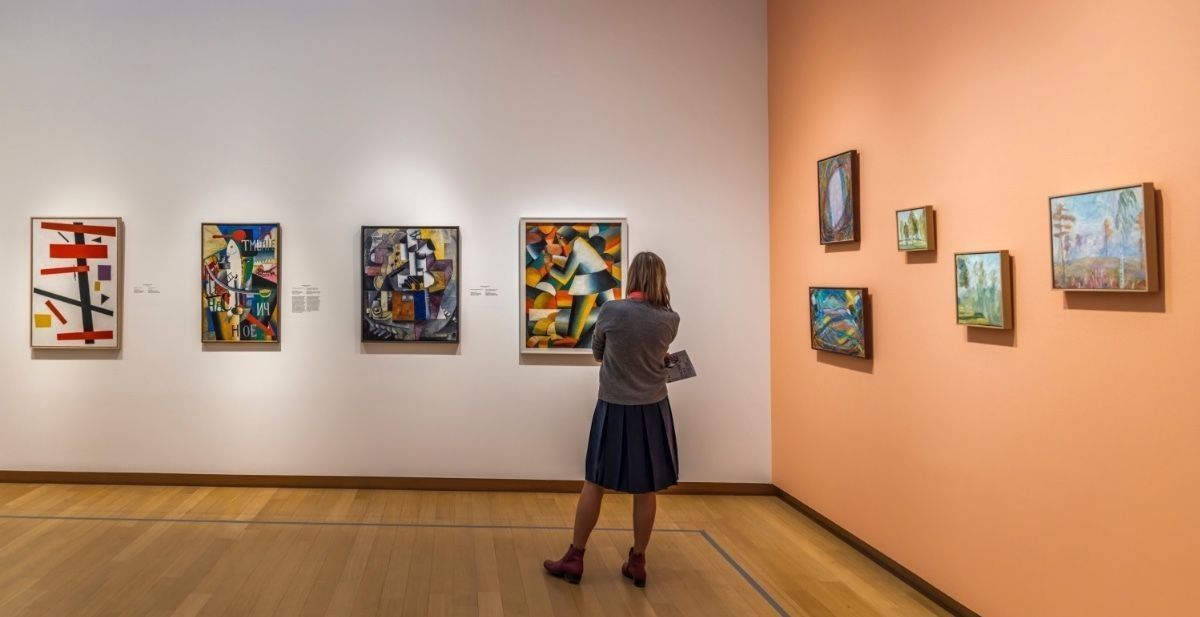
We don’t expect everyone to agree with what we notice in these museums. If they did, this would be less a conversation than a guided tour, and those already come with headsets. If a particular episode reminds you of a gallery that got something right, a framing decision that changed how a piece was received, or an online experience that made you stay longer than expected, we hope you’ll add that perspective to the conversation.
The goal isn’t to arrive at a single formula. Museums are too different, art is too unpredictable, and people become surprisingly firm in their opinions once they’ve been handed a brochure. The point is to notice what these places do that makes us stop, look longer, and care a little more than we planned to.
Episode 1: First Impressions Matter
Long before we decide whether we like a museum, it has already started telling us what kind of visit we’re about to have.
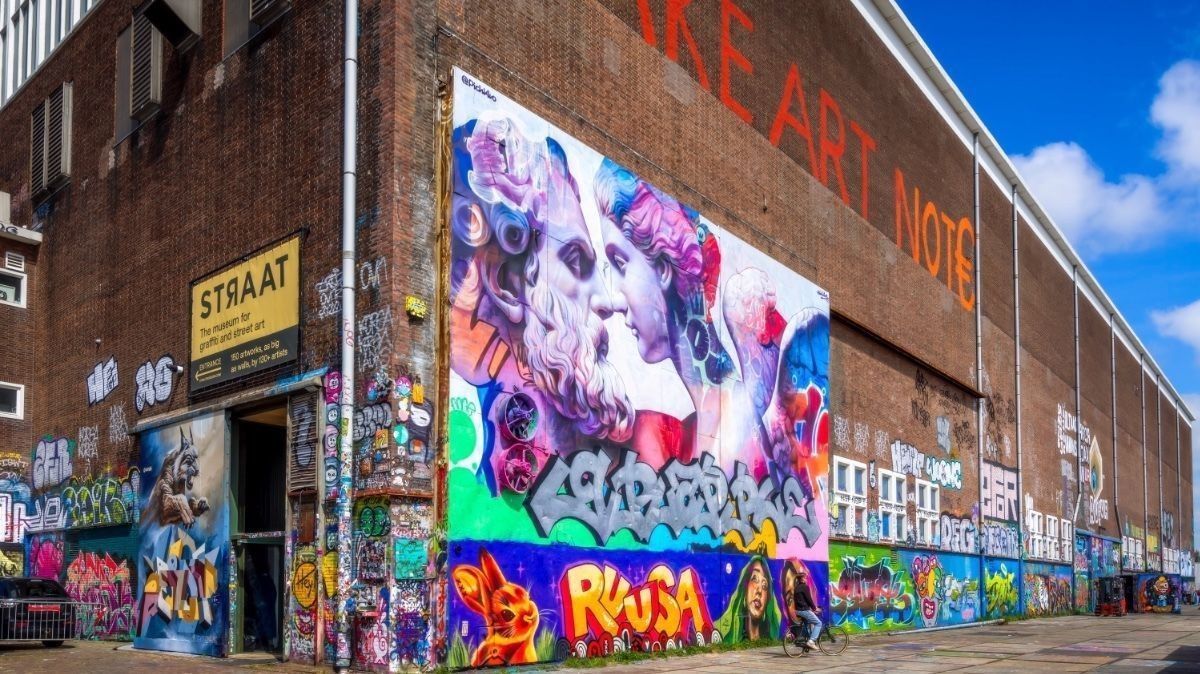
The STRAAT announces itself before we reach the door, the Stedelijk waits calmly for us to appreciate its judgment, and MUNCH gives the impression that it has been expecting us, though not necessarily in a cheerful way. In this episode, we’ll look at how these buildings turn reputation into anticipation before we’ve seen a single work of art.
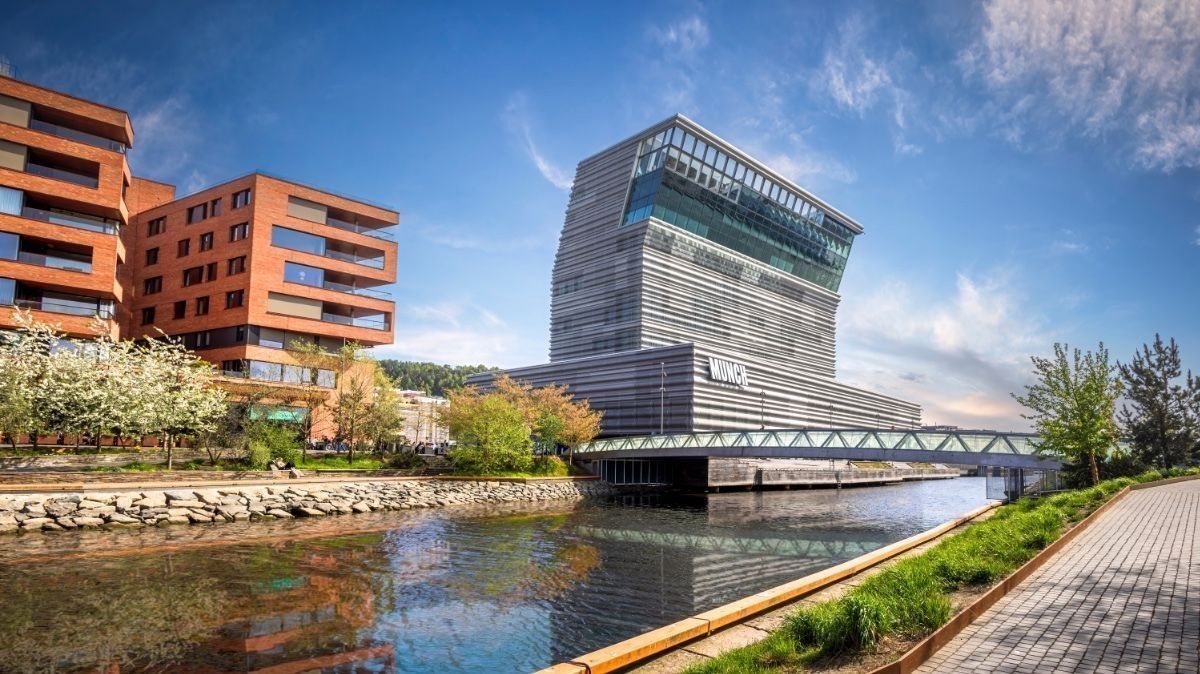
For more than thirty years we’ve made a point of visiting museums and galleries wherever our travels have taken us. As gallery owners ourselves, we’ve always appreciated the thought that goes into presenting great works of art. This trip, however, had a different purpose.
As we continue expanding The Frame Gallery beyond our showroom, we wanted to better understand how traditional museums create lasting relationships between art and those who experience it and how those same principles might apply beyond a physical gallery.
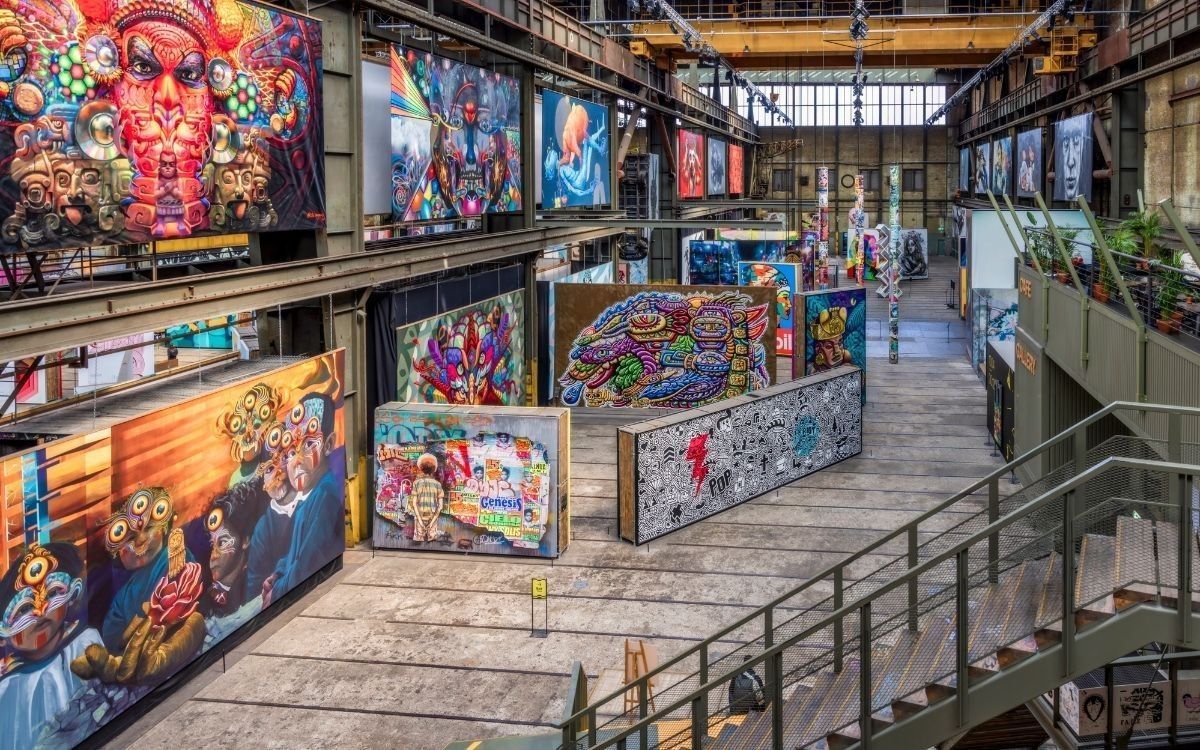
A converted shipbuilding factory gives contemporary street art an industrial scale that feels inseparable from the artwork itself.
Episode 2: Giving the Work Room to Breathe
Some museums give art room to breathe. Others seem to have calculated exactly how much breathing room it needs, where you should stand, and how long you have before wandering toward coffee.
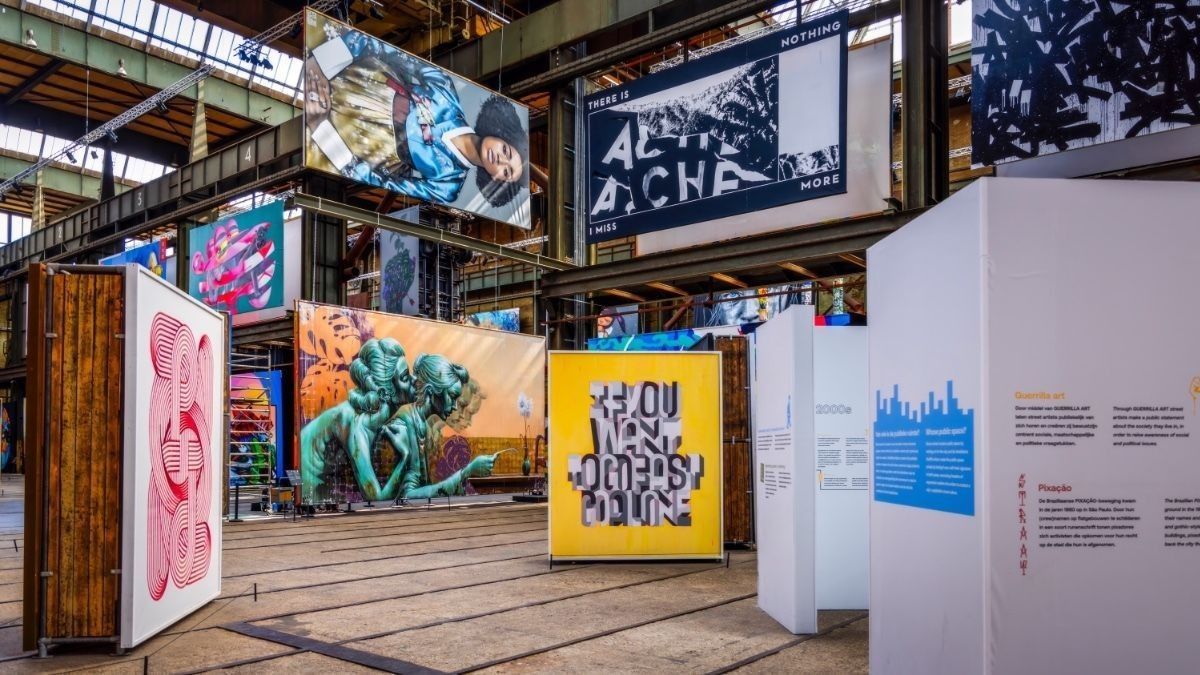
At STRAAT, the work sprawls.
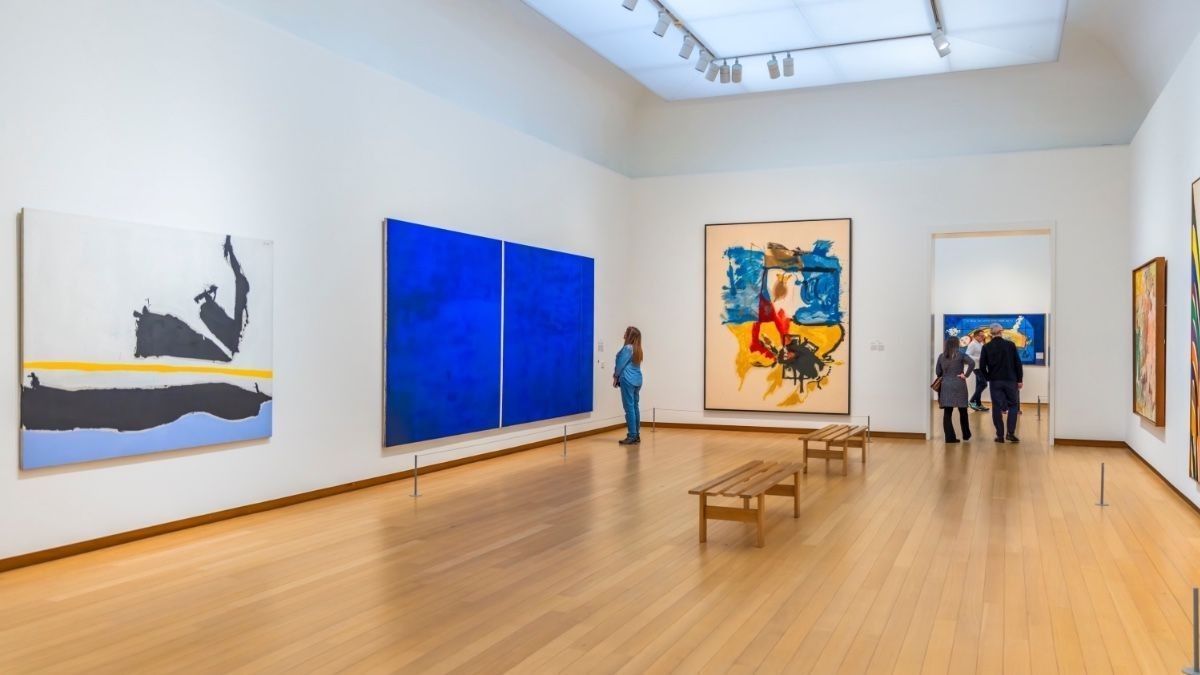
At the Nasjonalmuseet, every doorway seems to know what you should notice next.
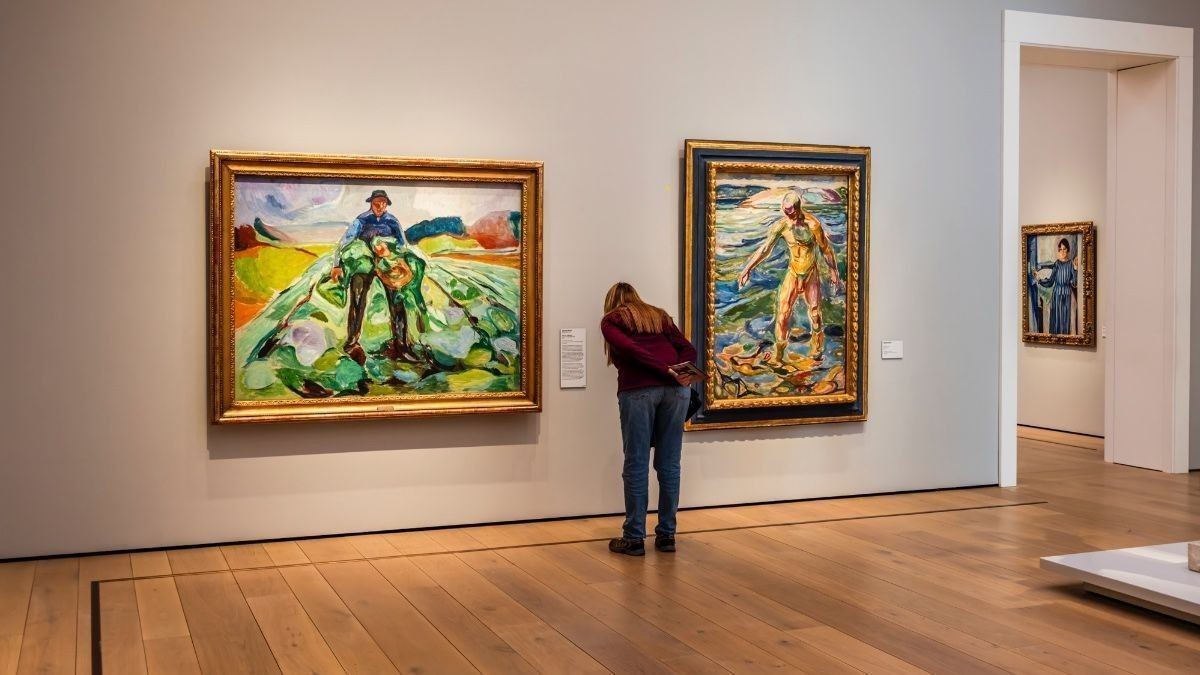
In Amsterdam we found ourselves paying particular attention to the smaller galleries tucked between Amsterdam's major museums. Within a fifteen-minute walk of the Rijksmuseum and the Van Gogh Museum, these neighborhood galleries somehow attract visitors despite competing with two of the world's most celebrated collections. They don't try to imitate the museums. Instead, each has developed its own identity, its own way of presenting art, and its own relationship with the people who walk through the door. That observation stayed with us long after we left.
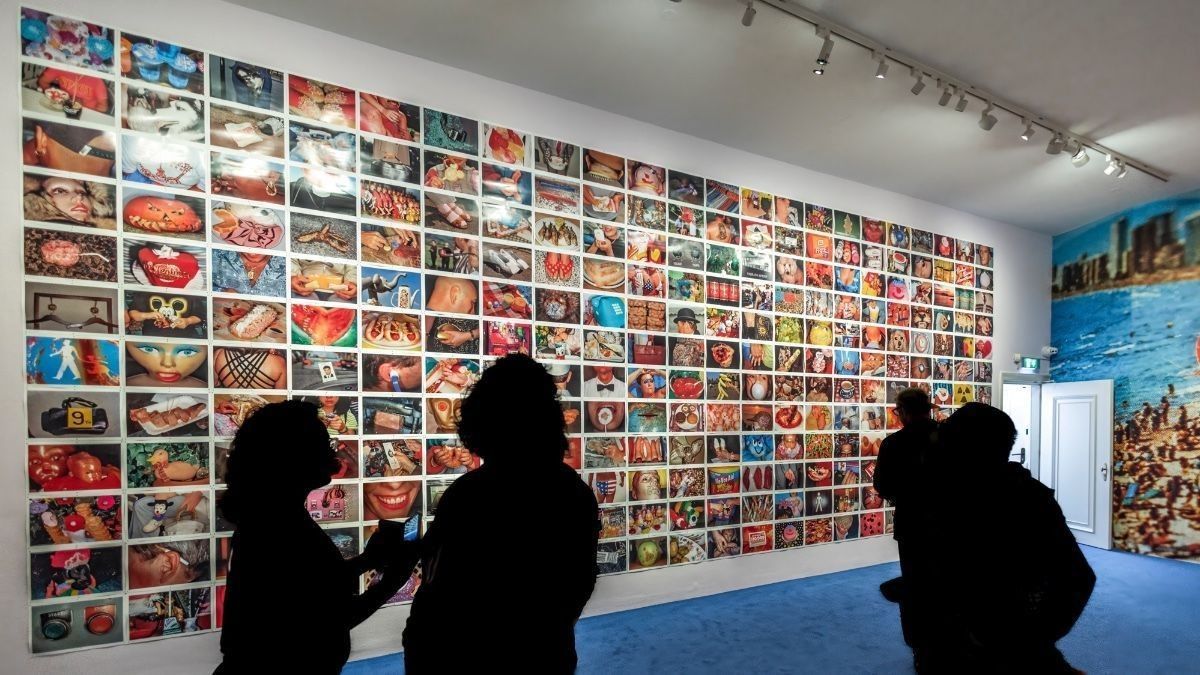
A photography museum reshapes its galleries for each exhibition, allowing the architecture to become part of every photographer's visual language.
This article is the beginning of a conversation we hope will continue over the coming weeks. Rather than reviewing museums or discussing individual artists, we'll explore the many ways galleries shape our experience with art. Some observations may seem obvious, others surprisingly subtle, but together they raise an interesting question for all of us who represent, collect, or simply love art: What makes one gallery feel different from another, and what can galleries of every size learn from those differences?